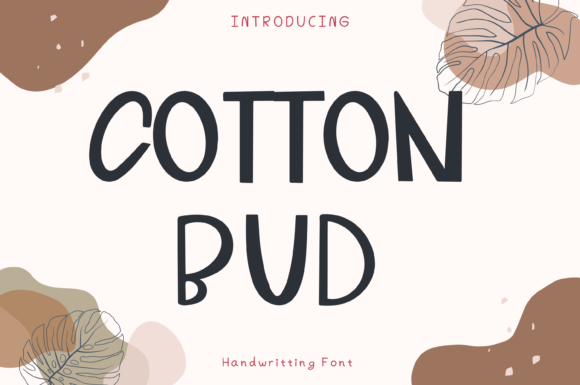
Cotton Bud: A Whimsical Font That Elevates Your Creative Projects
If you're looking for a font that brings a touch of playfulness to your designs without sacrificing clarity, Cotton Bud is worth considering. This whimsical and clean display font has gained popularity among designers, marketers, and creatives who want to add a unique visual flair to their work. Whether you're working on branding, packaging, or digital content, Cotton Bud can help your projects stand out in a crowd.
What Makes Cotton Bud Unique?
Cotton Bud isn't just another font—it's a design choice that blends softness with readability. Its rounded edges and gentle curves give it a friendly, approachable feel, making it ideal for audiences that appreciate a more relaxed aesthetic. Despite its playful nature, the font remains highly legible, even at smaller sizes. This balance between style and function is what makes it so versatile across different applications.
Real-World Applications of Cotton Bud
One of the most common uses for Cotton Bud is in branding and logo design. Businesses that want to convey a sense of warmth and creativity often choose this font to represent their identity. For example, a boutique coffee shop might use Cotton Bud in its logo to create an inviting and cozy atmosphere. The font’s personality aligns well with brands that want to feel authentic and approachable.
In the world of packaging, Cotton Bud can be a game-changer. Product labels, especially for organic or artisanal items, benefit from the font’s clean and modern look. Imagine a skincare brand using Cotton Bud on its product boxes—this subtle choice can make the packaging feel more personal and trustworthy. It works particularly well when paired with soft color palettes and minimalist designs.
Digital content creators also find value in Cotton Bud. Social media posts, website headers, and email newsletters can all benefit from the font’s visual appeal. For instance, a blog focused on wellness or lifestyle topics might use Cotton Bud for headlines to draw readers in with a friendly tone. The font adds a human touch that resonates with audiences looking for authenticity.
Who Benefits From Using Cotton Bud?
Designers and artists are the obvious beneficiaries of Cotton Bud, but its usefulness extends beyond the creative field. Educators, for example, might use it in presentations or handouts to make information more engaging. A teacher creating a lesson plan on childhood development could use Cotton Bud to make the material feel less formal and more relatable to students.
Entrepreneurs and small business owners often turn to Cotton Bud when building their brand presence. It’s a cost-effective way to elevate their visual identity without requiring extensive design resources. A local bakery owner, for instance, could use the font in their website copy or social media posts to create a cohesive and inviting brand image.
Even in professional settings, Cotton Bud can be useful. Event planners might use it for invitations or promotional materials to add a touch of creativity without being too informal. A wedding planner could incorporate the font into their marketing collateral to reflect a more personalized and artistic approach.
Considerations Before Using Cotton Bud
While Cotton Bud is visually appealing, it’s important to consider the context in which it will be used. The font works best in designs where a friendly or whimsical tone is appropriate. In more formal or corporate environments, it may not be the best choice. Always test the font in different sizes and formats to ensure it maintains its readability and impact.
Another consideration is the availability of the font. Not all platforms or software support custom fonts, so it’s essential to verify compatibility before finalizing a project. Additionally, if you’re working with clients or collaborators, make sure they understand the visual intent behind using Cotton Bud to avoid miscommunication.
Finally, pairing Cotton Bud with other fonts can enhance its effectiveness. Combining it with a more traditional typeface, such as Arial or Helvetica, can create a balanced and professional look. This contrast helps maintain visual interest while ensuring the overall design remains cohesive.
When to Avoid Cotton Bud
There are situations where Cotton Bud may not be the best fit. If the goal is to convey authority or seriousness, a more rigid or structured font would be more appropriate. For example, a law firm or financial institution would likely avoid using Cotton Bud in official communications, as it could undermine the perception of professionalism.
Additionally, if the audience is primarily technical or academic, the font’s playful nature might not align with their expectations. In these cases, a more neutral or classic font would be better suited to the purpose.
Ultimately, the key to using Cotton Bud effectively is understanding its strengths and limitations. When applied thoughtfully, it can add a distinctive and memorable element to any design project.