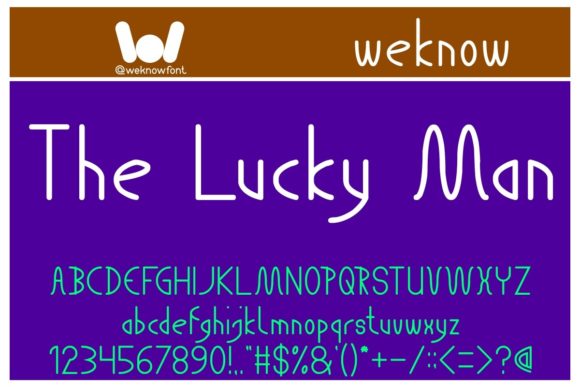
The Lucky Man
The Lucky Man is a striking display font that combines elegance with a modern edge, making it a standout choice for designers seeking to elevate their visual projects. Its unique character and refined structure offer versatility across various design applications, ensuring it can adapt to both high-end and casual creative needs.
When used in logo design, The Lucky Man adds a sense of sophistication and personality. It works well for brands aiming to project confidence and style, whether in the fashion industry, entertainment, or tech sectors. The font’s balance of detail and clarity ensures it remains legible at different sizes, making it ideal for both print and digital formats.
Applications in Branding and Identity
In branding and corporate identity, The Lucky Man serves as a powerful tool for establishing a strong visual presence. It pairs well with bold color palettes and minimalist layouts, helping to create a cohesive brand system. For businesses looking to differentiate themselves, this font can be a key element in crafting a memorable and professional image.
Designers often use The Lucky Man in marketing materials such as brochures, business cards, and banners. Its ability to command attention without overwhelming the viewer makes it perfect for headlines and call-to-action elements. When combined with strategic spacing and complementary typefaces, it enhances readability while maintaining a stylish aesthetic.
Enhancing Social Media and Web Design
Social media graphics benefit from The Lucky Man’s dynamic look, especially when creating eye-catching captions, profile headers, or promotional posts. Its clean lines and distinctive shape make it highly visible on platforms like Instagram and YouTube, where visual impact is crucial.
In web and UI design, The Lucky Man can be used for headings and navigation menus, adding a touch of flair without compromising usability. When paired with a neutral background, it stands out effectively, contributing to a polished user experience. However, it’s important to test its performance across different screen sizes and resolutions to ensure optimal visibility.
- Use The Lucky Man for headlines and subheadings
- Pair it with a sans-serif font for contrast and balance
- Limit its use to key areas to maintain visual hierarchy
Editorial layouts, such as magazines or newsletters, also gain from The Lucky Man’s versatility. It can be used to highlight featured articles or section titles, drawing readers’ attention while maintaining a professional tone. Similarly, in packaging design, it helps create a premium feel that aligns with brand messaging.
For advertising campaigns, The Lucky Man provides a strong visual anchor that supports the overall message. Whether in print ads, billboards, or digital banners, its presence reinforces brand identity and captures audience interest. In presentations, it can be used to emphasize key points, making content more engaging and memorable.
Merchandise and digital products, such as apps or e-books, also benefit from The Lucky Man’s refined look. It contributes to a consistent and professional appearance, enhancing the overall user experience. When integrated into design workflows, it becomes a valuable asset for maintaining visual coherence across multiple platforms.
Ultimately, The Lucky Man is more than just a font—it’s a design tool that can significantly enhance the quality and impact of creative projects. By understanding its strengths and limitations, designers can leverage it to achieve greater visual appeal and effective communication in their work.