Home Minimalist: A Timeless Display Font for Modern Design
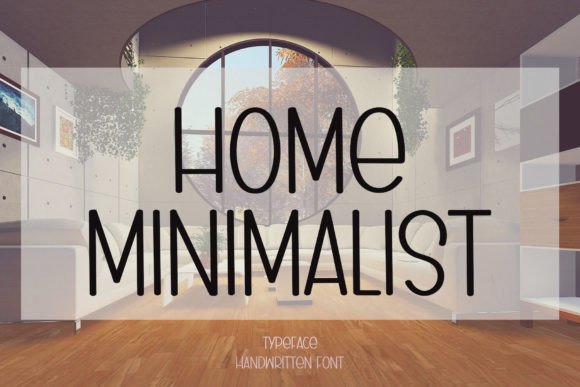
Home Minimalist is a trendy display font that blends contemporary design with the elegance of classic calligraphy. Its clean lines and refined curves make it ideal for projects that demand both sophistication and clarity. Whether you're working on a logo, editorial layout, or social media graphic, this font adds a touch of class without overwhelming the viewer.
Designed with a minimalist approach, Home Minimalist balances simplicity and style. It features subtle variations in stroke weight that give it a handcrafted feel while maintaining readability. This makes it versatile enough to work in both digital and print formats, ensuring it stands out in any context.
What Makes Home Minimalist Unique?
Home Minimalist is more than just a font—it's a visual statement. Its design draws inspiration from traditional calligraphy but modernizes it with a clean, uncluttered look. The result is a typeface that feels both timeless and fresh. Unlike many other display fonts that can be too ornate or difficult to read, Home Minimalist strikes a perfect balance between artistic expression and practicality.
The font’s personality is calm and confident, making it suitable for a wide range of applications. It works well in branding, where consistency and professionalism are key. Its structured yet fluid form also lends itself to editorial design, packaging, and web typography, offering a cohesive aesthetic across different mediums.
Where Home Minimalist Shines
Home Minimalist excels in projects that require a premium look without sacrificing legibility. For instance, in logo design, it can add an air of sophistication that resonates with audiences looking for quality and refinement. In editorial design, it enhances headings and subheadings, drawing attention without disrupting the flow of text.
In the realm of packaging design, Home Minimalist can elevate product labels and brand messaging. Its clean lines make it easy to read at a glance, which is crucial for retail environments. When used in web design, it brings a modern edge to headings and buttons, helping to create a visually appealing user experience.
For social media graphics, the font adds a polished touch to posts, banners, and promotional materials. Its versatility allows it to adapt to different platforms while maintaining a consistent brand identity. Whether you're creating content for Instagram, Facebook, or LinkedIn, Home Minimalist ensures your message is both clear and stylish.
How Home Minimalist Influences Design and Branding
Typography plays a crucial role in how a brand is perceived. Home Minimalist contributes to a professional and recognizable brand identity by offering a unique yet approachable visual language. Its clean design helps establish trust and credibility, which is essential for businesses aiming to build lasting relationships with their audience.
When used consistently across marketing materials, Home Minimalist reinforces brand recognition. It creates a sense of unity in everything from business cards to digital ads, ensuring that your brand remains memorable. This consistency is especially important in competitive markets where differentiation is key.
Readability is another critical factor in effective design. While Home Minimalist is a display font, it maintains good legibility even at smaller sizes. This makes it suitable for use in body text when paired with complementary fonts. By carefully selecting font pairings, designers can enhance visual hierarchy and guide the viewer’s eye through the content.
Choosing the Right Font for Your Project
Selecting the right font involves understanding the needs of your project and audience. Home Minimalist is best suited for projects that require a premium, elegant appearance. However, it may not be the ideal choice for long blocks of text due to its decorative elements.
Before finalizing your design, test Home Minimalist in different contexts. Preview it on various devices and backgrounds to ensure it remains readable and visually appealing. Consider how it interacts with other design elements, such as colors, images, and spacing, to create a harmonious composition.
Evaluate the font’s styles—some display fonts come with multiple weights or variants. Understanding these options allows you to use the font more effectively. For example, a bold version might work well for headlines, while a lighter weight could be used for captions or secondary text.
When using Home Minimalist in commercial projects, always check the licensing terms. Ensure the font is properly licensed for your intended use, whether it's for print, digital, or web applications. This protects you from potential legal issues and ensures your designs are compliant.
Practical Tips for Using Home Minimalist
If you're new to using display fonts, start by incorporating Home Minimalist into small design elements, such as headings or logos. This allows you to gauge its impact without overwhelming the overall design. As you become more comfortable, experiment with different layouts and combinations.
Pair Home Minimalist with a simple sans serif or serif font to create contrast and balance. For example, pairing it with a clean sans serif like Helvetica or a classic serif like Georgia can enhance readability and visual appeal. Avoid using too many decorative fonts in one design, as this can lead to clutter and confusion.
Consider the tone of your brand when using Home Minimalist. If your brand is modern and sleek, the font will align well with that aesthetic. If your brand has a more traditional or rustic feel, you may need to adjust how you use the font to maintain consistency.
Finally, don't underestimate the power of testing. Print samples, view them on screens, and get feedback from others. This helps ensure that Home Minimalist meets your design goals and resonates with your target audience.