Meisha: A Bold and Versatile Display Font for Modern Design
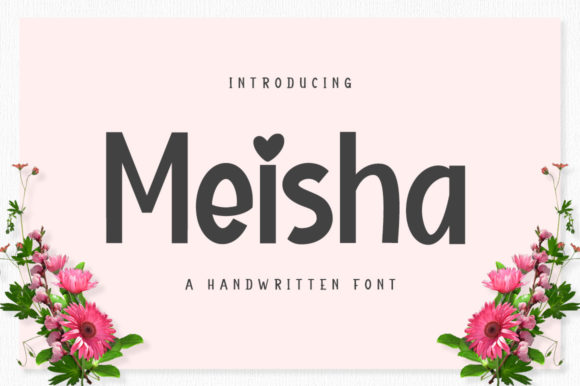
Meisha is a display font that combines simplicity with striking visual impact. Its clean lines and confident structure make it an ideal choice for designers seeking a strong, readable typeface that stands out without overwhelming the viewer. Whether used in logos, headings, or signage, Meisha offers a balance of clarity and personality that can elevate a wide range of design projects.
Understanding Meisha's Unique Characteristics
At its core, Meisha is designed to be both functional and expressive. The font features a modern sans-serif structure with subtle variations in stroke weight that add visual interest without complicating readability. These characteristics make it particularly effective for applications where legibility is important, such as in signage or digital interfaces.
The font’s boldness gives it a commanding presence, making it well-suited for headlines, branding elements, and other design components that require immediate attention. At the same time, its simplicity ensures it doesn’t distract from the message it conveys. This duality makes Meisha a versatile option across different media and contexts.
Key Strengths and Practical Applications
One of Meisha’s most notable strengths is its adaptability. It works well in both large-scale formats, like posters and banners, and smaller applications, such as t-shirt designs or product labels. Its consistent stroke width and geometric precision contribute to a clean, professional look that remains legible at various sizes.
For businesses and creatives, Meisha provides a reliable tool for creating cohesive visual identities. Its bold yet uncluttered appearance supports a range of brand aesthetics, from contemporary and minimalist to dynamic and energetic. This flexibility allows designers to use the same font across multiple touchpoints, maintaining consistency while still achieving visual variety.
Real-World Performance and Usability
In practical terms, Meisha performs well in both print and digital environments. Its scalable design ensures that it maintains sharpness and clarity at different resolutions, which is essential for web and mobile applications. When used in print, the font retains its structural integrity, making it suitable for everything from business cards to large-format advertisements.
Usability is another area where Meisha excels. Its straightforward design reduces the likelihood of typographic errors, and its limited character set (primarily uppercase letters) simplifies implementation in projects that prioritize clarity over complexity. This makes it especially useful for projects with tight deadlines or limited design resources.
Who Benefits Most from Meisha?
Meisha is particularly valuable for professionals who need a reliable, high-impact typeface for branding and communication. Entrepreneurs launching new ventures can use it to create a strong visual identity that resonates with their target audience. Marketers and advertisers may find it useful for crafting eye-catching headlines and promotional materials.
Freelancers and small business owners often seek fonts that are both aesthetically pleasing and easy to work with. Meisha fits this need by offering a professional look without requiring extensive typographic expertise. Its straightforward design also makes it accessible for non-designers who want to enhance their projects with a visually appealing font.
Considerations and Limitations
While Meisha is highly effective in many scenarios, it may not be the best choice for every project. Its bold, simplified style is less suited for long blocks of text, where more traditional serif or sans-serif fonts might offer better readability. For body copy, it’s recommended to pair Meisha with a complementary typeface that provides contrast and enhances overall legibility.
Additionally, the font’s limited character set means it may not support all languages or special symbols. Users working with multilingual content or complex formatting should verify compatibility before incorporating Meisha into their workflow.
Recommendations for Effective Use
To get the most out of Meisha, consider the following tips:
- Use it for headings and titles: Meisha shines when used in prominent positions, where its boldness can draw attention and establish hierarchy.
- Pair it with a contrasting font: Combining Meisha with a more traditional typeface can create a balanced and visually engaging layout.
- Test it in your specific context: Always preview the font in the intended environment—whether digital or print—to ensure it meets your design and readability needs.
- Focus on spacing and sizing: Proper kerning and line height can significantly improve the overall appearance and readability of Meisha in any application.
Long-Term Value and Reliability
Fonts like Meisha represent a long-term investment in design quality. Their enduring appeal and versatility mean they can remain relevant across multiple projects and years. As design trends evolve, Meisha’s simple yet impactful style ensures it remains adaptable to changing aesthetic preferences.
For professionals who value efficiency and effectiveness, Meisha offers a reliable solution that balances form and function. Its consistent performance across different platforms and use cases makes it a valuable addition to any designer’s toolkit.
Conclusion: Is Meisha Right for Your Needs?
Meisha is a powerful display font that delivers clarity, strength, and versatility. Its bold, clean design makes it ideal for a wide range of applications, from branding and marketing to signage and digital content. While it may not be suitable for every situation, its strengths in usability, readability, and visual impact make it a compelling choice for many design projects.
Whether you're building a brand, designing a logo, or creating promotional materials, Meisha offers a dependable and effective solution. By understanding its capabilities and limitations, you can determine whether it aligns with your creative goals and workflow needs.