Retroline: A Bold, Discontinuous Vertical Line Font for Modern Design Workflows
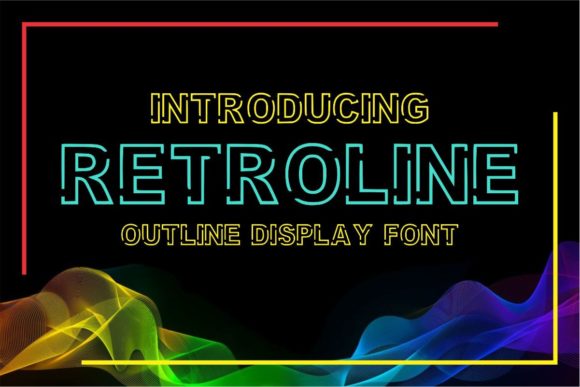
Retroline is a distinctive font that combines the strength of vertical lines with a broken, discontinuous style. Its unique visual character makes it ideal for projects where boldness and clarity are essential. Whether you're working on branding, editorial design, or digital interfaces, Retroline can enhance your creative output by adding a strong, eye-catching presence.
This font is particularly useful in scenarios where contrast and readability are important. Its vertical structure ensures that text stands out, while the breaks in the lines introduce a sense of movement and energy. This balance between structure and disruption makes Retroline versatile across various design disciplines.
Understanding Retroline in the Broader Design Process
In any design project, the choice of typography plays a critical role in shaping the final outcome. Retroline fits into this process as a tool that can be used at different stages—before, during, and after the creative workflow.
Before starting a project, Retroline can help define the visual tone. When brainstorming concepts, using this font can inspire a direction that emphasizes strength and modernity. It serves as a reference point for the overall aesthetic, guiding decisions about color, layout, and other design elements.
During the execution phase, Retroline can be integrated into mockups, wireframes, or prototypes. Its clean yet dynamic appearance allows it to work well alongside other fonts, making it an excellent choice for headings, titles, or key messages. It can also serve as a standalone element in logos, banners, or signage, offering a striking visual identity.
After the project is complete, Retroline can be used for quality control and consistency checks. Ensuring that the font is applied uniformly across all materials helps maintain a cohesive brand image. This is especially important in long-term campaigns or multi-platform projects where visual consistency is crucial.
How Retroline Integrates with Other Tools and Methods
Retroline works well with both traditional and digital design tools. In software like Adobe Photoshop, Illustrator, or Figma, it can be easily applied to text layers, ensuring that the font's unique characteristics are preserved. Its compatibility with most design platforms makes it a reliable choice for professionals who rely on these tools for their daily work.
When paired with other fonts, Retroline often acts as a complementary element. For example, it can be used alongside more traditional serif or sans-serif fonts to create contrast and visual interest. This combination can be particularly effective in editorial layouts, where a mix of styles adds depth and engagement.
In collaborative workflows, Retroline can serve as a shared asset. Teams working on branding or marketing materials can use it consistently across all deliverables, ensuring that the visual language remains unified. This is especially valuable in remote or distributed teams where clear communication and standardization are key.
Practical Implementation Tips for Using Retroline
To get the most out of Retroline, consider the following practical tips:
- Test it in different sizes and contexts: The font's effectiveness may vary depending on how it's scaled. Experiment with different sizes to see how the broken lines interact with the surrounding text and design elements.
- Use it for emphasis: Retroline is best suited for short, impactful text such as headlines, captions, or callouts. Avoid using it for large blocks of body text, as its unique structure may reduce readability.
- Pair it with neutral backgrounds: Since Retroline has a strong visual presence, it works best against simple, uncluttered backdrops. This allows the font to stand out without competing with other design elements.
- Consider accessibility: Ensure that the font is legible for all users, including those with visual impairments. Test it on different devices and screen sizes to confirm that it maintains clarity and impact.
By following these guidelines, designers can integrate Retroline into their workflows in a way that enhances both aesthetics and functionality.
Workflow Examples with Retroline
Here are a few real-world examples of how Retroline can be used in different workflows:
- Branding Projects: When developing a new logo or brand identity, Retroline can be used for the main logotype. Its bold, discontinuous lines convey a sense of confidence and innovation, making it a strong choice for startups or tech-focused brands.
- Editorial Design: In magazines, newspapers, or online publications, Retroline can be used for section headers or featured stories. Its distinct look draws attention without overwhelming the reader, making it ideal for highlighting key content.
- Web and App Interfaces: Retroline can be used in UI design for buttons, navigation menus, or interactive elements. Its vertical structure and sharp edges fit well with modern, minimalist designs, adding a touch of personality to otherwise clean interfaces.
- Marketing Materials: For posters, flyers, or social media graphics, Retroline can be used to create bold, eye-catching headlines. It’s particularly effective in campaigns that aim to stand out in crowded visual environments.
These examples illustrate how Retroline can be adapted to different design needs, providing a consistent yet dynamic visual element.
Long-Term Use and Maintenance
When incorporating Retroline into long-term projects, it’s important to maintain consistency and track its usage. This includes keeping a record of where and how the font is applied, as well as monitoring its performance across different platforms and mediums.
For businesses or organizations that use Retroline as part of their brand identity, it’s advisable to establish clear guidelines for its use. These guidelines should cover font size, spacing, color, and placement to ensure that the font remains effective and recognizable over time.
Additionally, staying updated with font updates and platform compatibility is essential. As design software evolves, it’s important to verify that Retroline continues to function properly and maintains its intended visual effect.
Conclusion: Retroline as a Strategic Design Asset
Retroline is more than just a font—it's a strategic design tool that can elevate the quality and impact of your work. Its unique structure and bold presence make it suitable for a wide range of applications, from branding to web design. By understanding how to integrate it effectively, designers can leverage its strengths to create visually compelling and functional outputs.
Whether you're working on a personal project or a professional campaign, Retroline offers a powerful way to express creativity while maintaining clarity and impact. With the right approach, it can become an essential part of your design toolkit, helping you achieve better results in every project you undertake.